

Vast, rugged and wonderfully quiet · South-eastern Kenya
Tsavo East & West
Kenya’s largest protected wilderness is known for red-dusted elephants, volcanic scenery, Mzima Springs and a sense of scale that rewards slower exploration.
A closer look
The spacious safari for travellers who want room to breathe.
Tsavo feels different from the Mara and Amboseli. The distances are larger, the colours more elemental and the sense of wilderness more pronounced. East and West offer contrasting experiences, from red-earth plains and baobabs to volcanic hills, springs and lava landscapes.
Why travellers return
Designed around time in the wild.
Tsavo rewards guests who are comfortable with discovery rather than constant headline sightings. Mzima Springs, lava formations, waterholes and long horizons create variety, while the park’s size makes private guiding and route planning especially valuable.
Classic lodges, luxury tented camps and secluded properties are spread across East and West. We select the right base for access, privacy, wildlife focus and whether you want to continue towards the Kenyan coast.
A considered rhythm
Make the mornings count. Leave room for the unexpected.
The best Tsavo days are deliberately spacious: a strong morning drive, time to rest in the heat of the day, then a second outing when the shadows lengthen. It is a destination for people who enjoy the feeling of going further.
- Red-dusted elephant country and huge horizons
- Mzima Springs and hippo-filled waterways
- Volcanic scenery, lava flows and rugged viewpoints
- A quieter alternative to Kenya’s headline parks
- Natural pairing with the coast, Diani or Mombasa
Continue through Kenya
Build the route around more than one landscape.
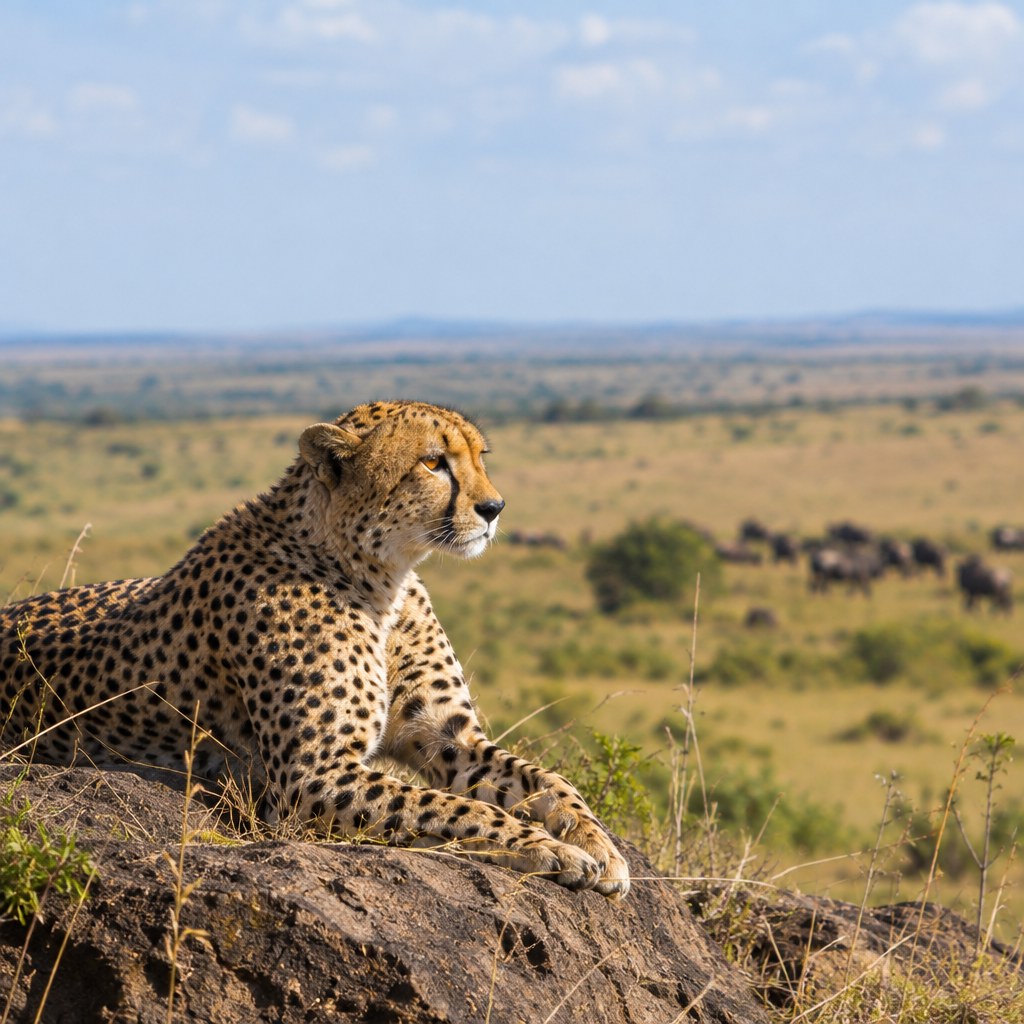 Maasai Mara ↗
Sweeping grasslands, exceptional predator encounters and the seasonal arrival of the Great Migration make the Mara Kenya’s most…
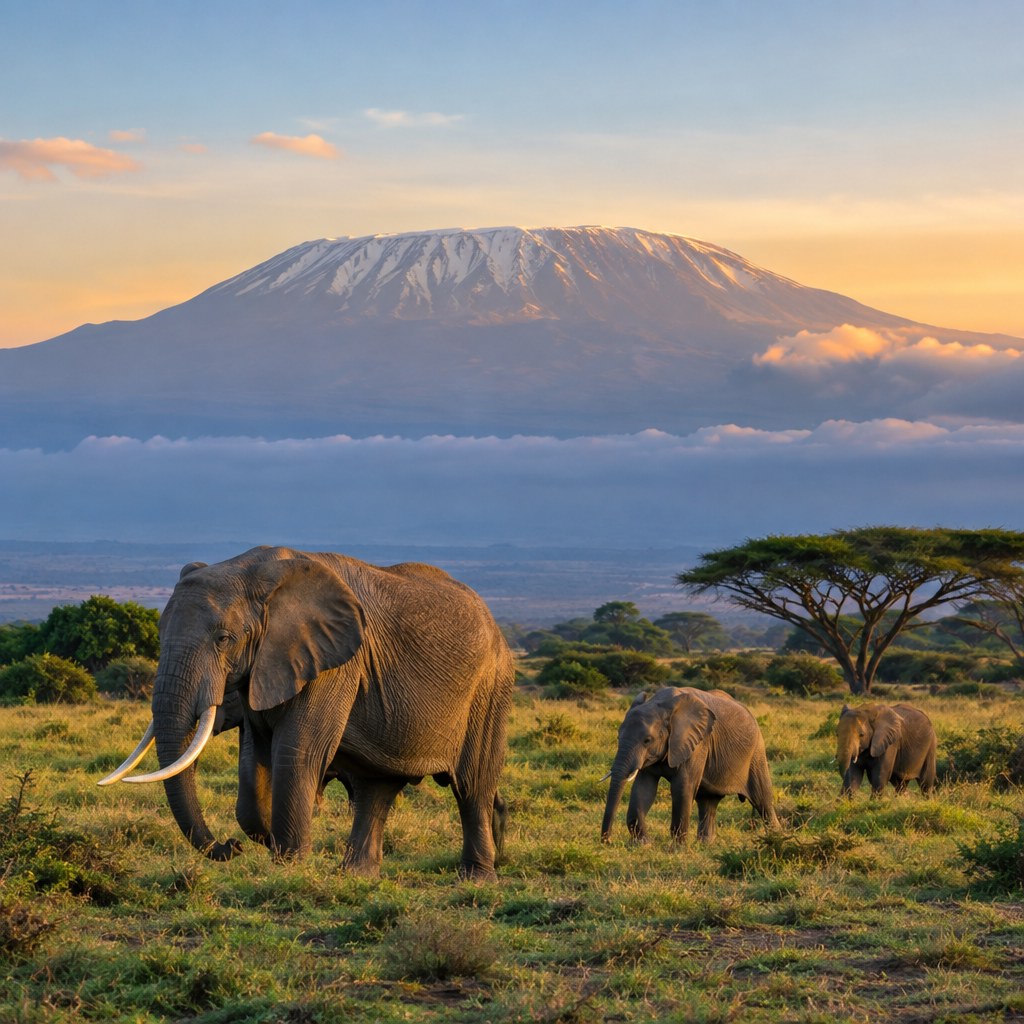 Amboseli ↗
Open grass plains, seasonal wetlands and elephant families create one of East Africa’s most recognisable landscapes beneath Mount…
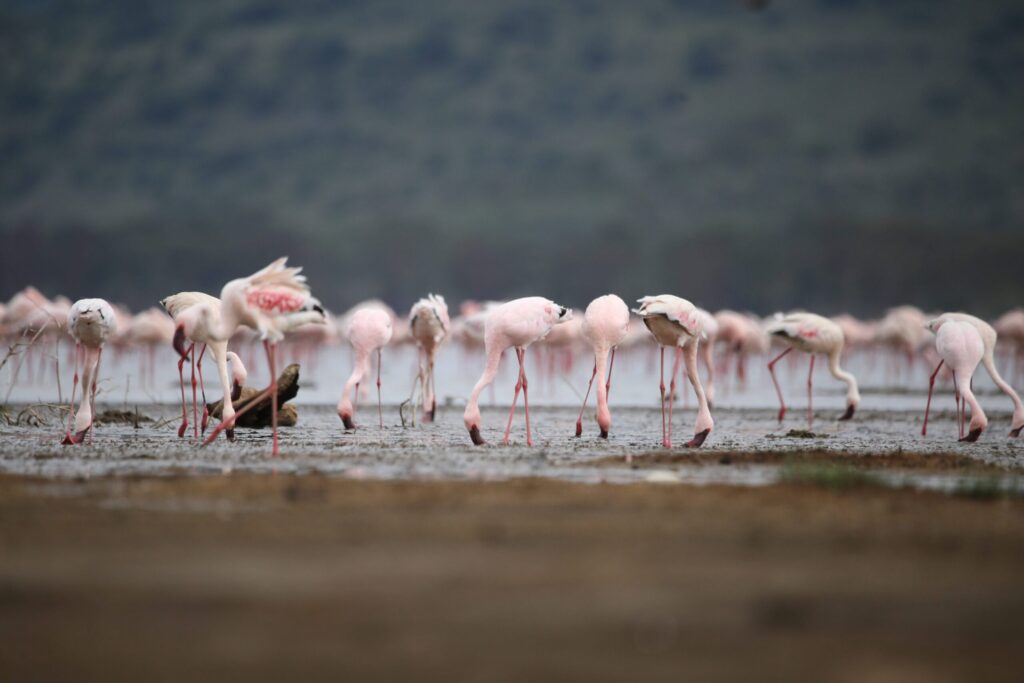 Rift Valley Lakes ↗
Lake Nakuru, Lake Naivasha and the surrounding escarpments combine rhino viewing, birdlife, boat journeys and walking experiences within…
Planning notes
Good to know before you go.
Should I visit Tsavo East, Tsavo West or both?
The answer depends on your route and available nights. Combining both works for longer journeys, while one section can create a focused and unhurried stay.
Is Tsavo good for a first safari?
Yes, particularly for travellers who value landscape, space and a less predictable sense of discovery alongside wildlife.
Can Tsavo combine with the coast?
Tsavo is one of the most natural safari-to-coast connections in Kenya, especially when the journey is planned around rail, road or flight logistics.
Destination notes
Tsavo Safari: What to Expect at a Glance
Tsavo is Kenya’s largest protected wilderness. It is made up of two neighbouring parks, Tsavo East and Tsavo West, which together cover more than 20,000 square kilometres between Nairobi and the coast.
A Tsavo safari offers wide horizons and fewer vehicles than Kenya’s busiest reserves. It is known for elephants dusted red by the local soil, volcanic landscapes, spring-fed oases, and a feeling of genuine remoteness. It suits travellers who want space, variety, and an easy link to Mombasa or Diani Beach.
Tsavo East vs Tsavo West
The two parks are separated by the Nairobi–Mombasa highway and railway, and they feel quite different:
Many travellers visit both parks. This combination gives the fullest picture of the Tsavo ecosystem.
Wildlife and Scenery
Big game
Tsavo’s elephants are its signature sight, often seen bathing or dust-coating in red earth. Lions, buffalo, leopards, and cheetahs also live here. Tsavo lions are famously linked to the 1898 “man-eaters” story from the construction of the railway. Black rhinos are protected within the fenced Ngulia sanctuary, though sightings there are never assured.
Dry-country specialists
Look for species that are less common further north and west, such as gerenuk, lesser kudu, fringe-eared oryx, and Hunter’s hartebeest. Birdlife is rich throughout both parks, and raptors and hornbills are frequent companions on game drives.
Landscapes
Expect baobab-studded plains, black lava fields, and the long Yatta Plateau. On clear days in Tsavo West, Kilimanjaro is visible on the horizon.
Best Experiences on a Tsavo Safari
💧
Mzima Springs
Crystal-clear pools fed by underground water. There is an underwater viewing chamber where hippos and fish may pass by.
🐘
Galana River Drives
Follow the river to Lugard Falls and Crocodile Point. These are prime areas for elephants and other animals that come to drink.
⭐
Lava Flows and Viewpoints
Walk carefully across the Shetani lava flow. You can also climb Mudanda Rock to watch wildlife gather at the waterhole below.
When to Visit Tsavo
- June to October: The main dry season. Vegetation thins and animals gather near water, which generally makes spotting easier.
- January to February: A shorter dry spell that is often warm and productive for game viewing.
- March to May: The long rains. The scenery is lush and there are fewer visitors, but some tracks can become muddy.
- November to December: The short rains. This is a good season for migratory birds.
💡 Tip: Weather patterns vary from year to year, and wildlife moves freely. Plan around seasons as a guide rather than a promise of specific sightings.
How WildLens Tailors Your Tsavo Safari
WildLens Adventure shapes each itinerary around your interests, pace, and travel dates. A plan might focus on photography, families, or first-time visitors. It could also pair Tsavo with Amboseli or finish with time on the coast.
We help you decide whether to visit East, West, or both. We also advise on how many nights to stay and whether to travel by road or by the Madaraka Express railway to Voi or Mtito Andei.
Tsavo Safari FAQ
How many days do I need?
Two to three nights suits one park. Four or more nights allows time to explore both comfortably.
Is Tsavo good for first-timers?
Yes, especially for travellers who prefer quieter game drives or want a safari close to the beach.
Why are the elephants red?
They spray and roll in Tsavo’s iron-rich red soil, which colours their skin.
Plan Your Tsavo Safari
Tell us your dates and interests, and we will suggest an itinerary that fits.
Your route, made personal
Ready to see Tsavo East & West in your own way?
Tell us your dates, group size and priorities. We will shape the right combination of guiding, stays and time in the field.